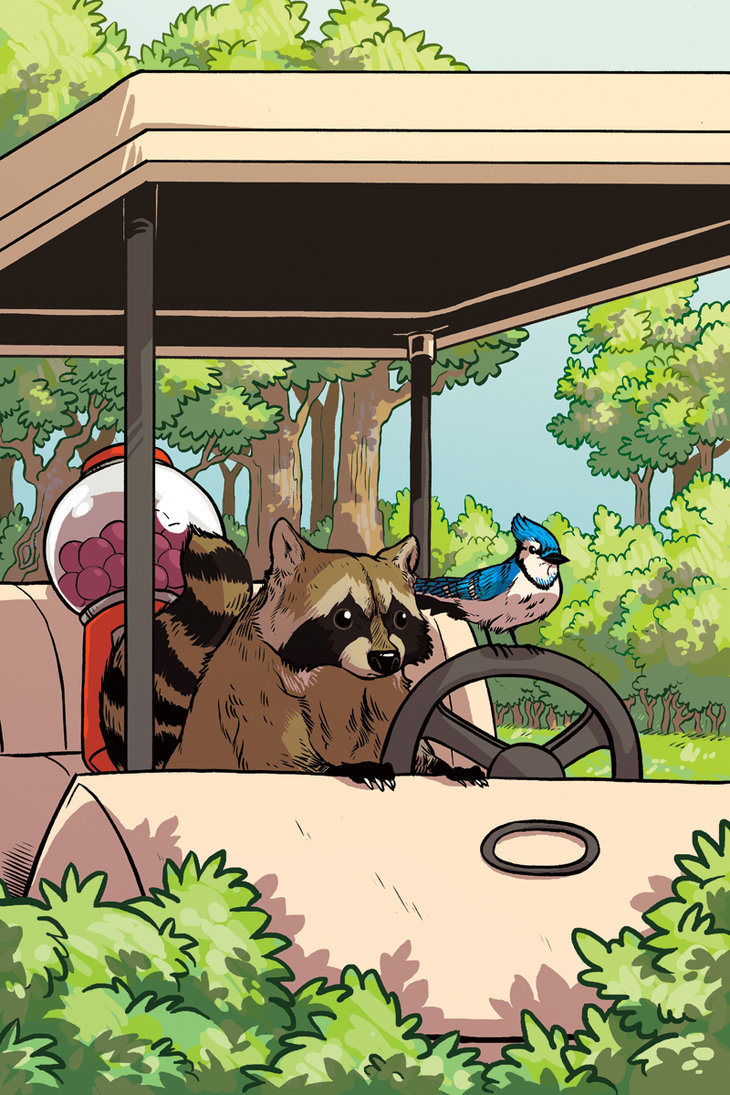
"Regular Show #2 Cover" by MyNameIsMad
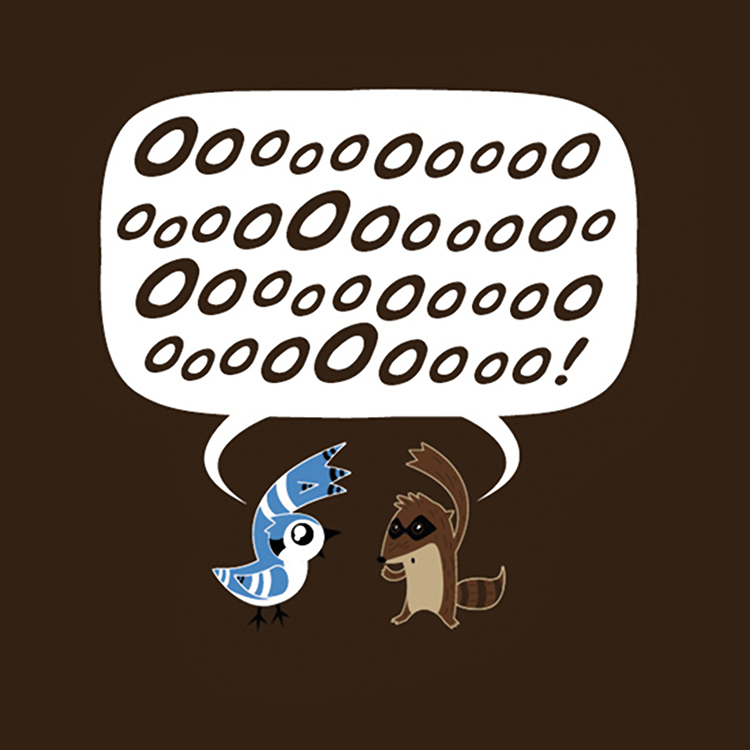
"Regular Shirt" by Joel Jackson
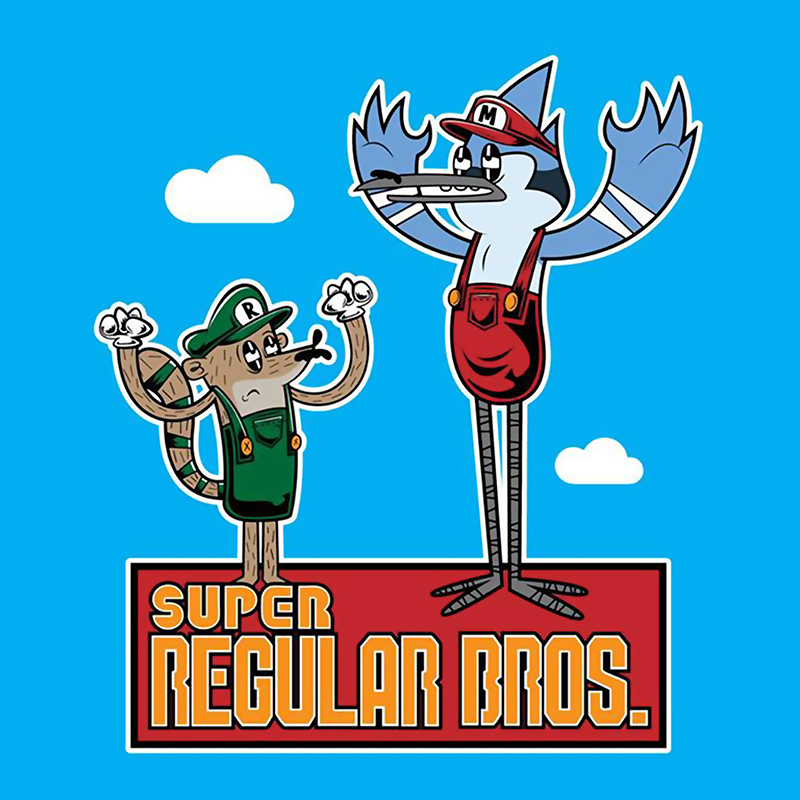
"Super Regular Bros." by Matt Sinor

"Regular Shirt" by Joel Jackson
"Super Regular Bros." by Matt Sinor


"8-bit Posters: Mega Man" by Brandon Riesgo

"Sponsored Mega Man" by Ricardo Chucky


"Inspector Holmes" (t-shirt) by Creative Outpouring

"Holmes Family Crest" by SyntheticPH
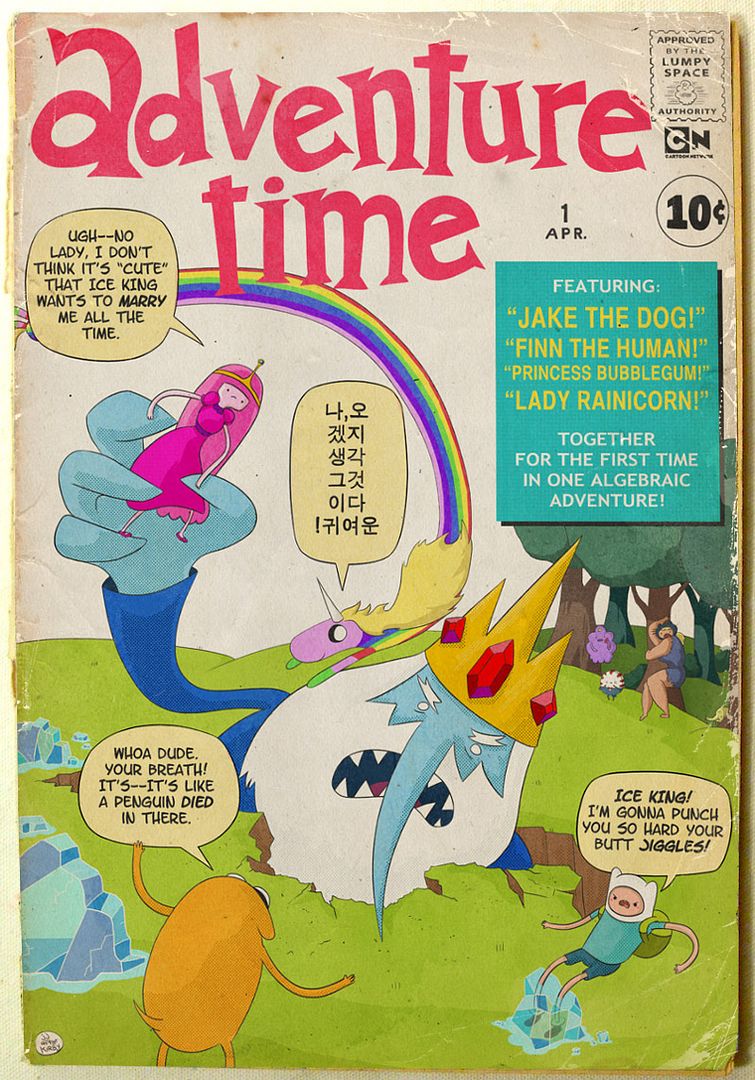
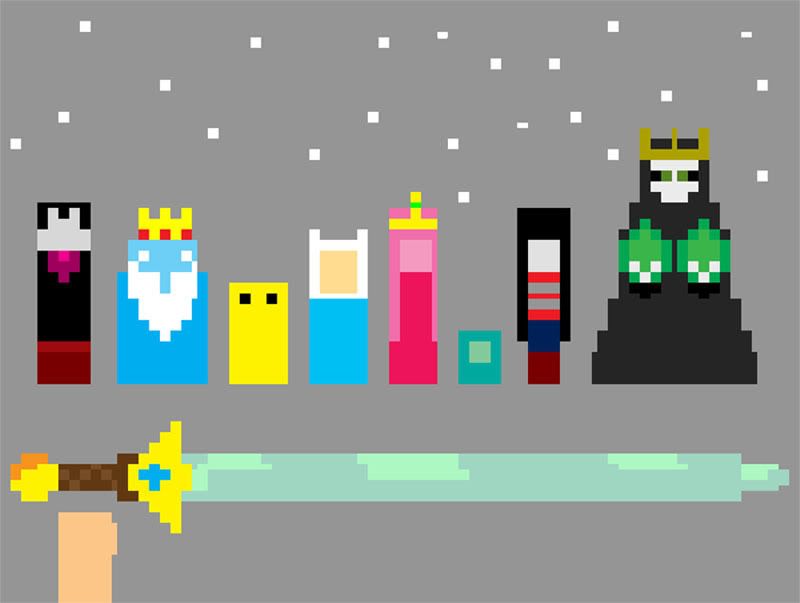
"Adventure Time 8-Bit" by Napat Shinawatra
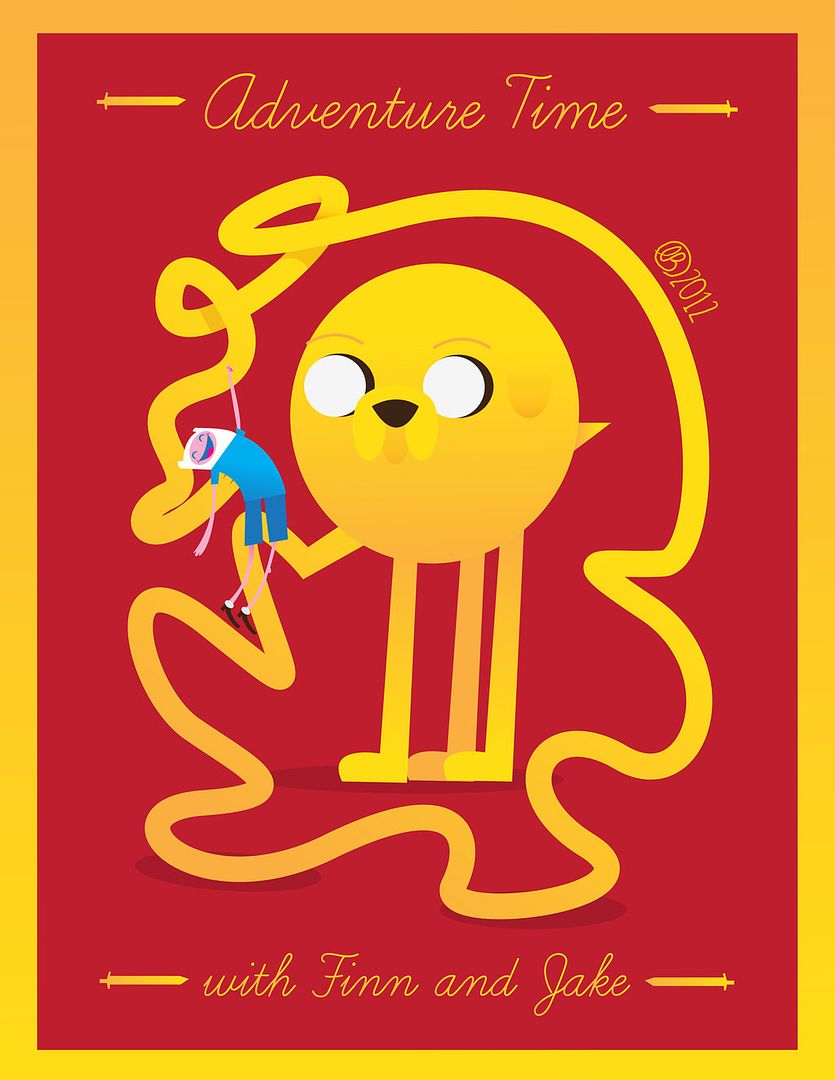
"Finn and Jake" by Ivan Barriga

One of the most mindblowing moments of my young life was discovering, in my local comic book store, that TMNT did not start as a brightly-colored, jovial, weekly 22-minute toy commercial, but as something much darker and more surreal. Eastman & Laird's black-and-white TMNT series for Mirage Studios was truly bizarre (I still have a handful of TMNT books kicking around, specifically issues #22, #23, and #25 - the first two books detailing a logic-defying journey through time and the latter involving a giant swamp monster named Bloodsucker.) The overt violence and irreverence of Eastman & Laird's original series (which they continued to release alongside the Bowdlerized, neutered cartoon and accompanying tie-in comic series, making me wonder how many kids were traumatized when their parents bought them issues of the more adult series by mistake) and just the sheer subversiveness of the original concept and its execution spoke to my twelve-year-old self like nothing else. A large number of major and supporting players from the cartoon first appeared in the comic in dramatically unfettered form: Casey Jones, April O'Neil, Splinter, Shredder, Baxter Stockman, Fugitoid, Leatherhead, The Rat King and others. And the topics dealt with - evolution, time travel, Japanese-American culture, vengeance, and the dark side of family - were barely even touched upon in the animated series but formed the foundation of the original comic.

While I have read many comics in my lifetime, those three creator-owned books have in many ways become definitive of my early experiences with the medium. TMNT was my first glimpse into the subversive potential of independently-published books, tempered by enough inherent nonsense that it was palatable to my unsophisticated tastes. Cerebus, years later, appealed to my burgeoning young-adult cynicism: while on paper the series was about a swashbuckling aardvark in a traditional, swords-and-sorcery milieu, in execution it was about a hard-drinking, foul-mouthed, pathological misanthrope dealing with increasingly complex matters of philosophy, character and faith. But Usagi Yojimbo hit me in the years between the two, and perhaps had the deepest impact, given the wry, self-aware sincerity Stan Sakai infused into his leporine hero.

In Usagi Yojimbo, Sakai somehow managed to create a comic book series that was more effective in conveying the Edo period than any number of textbooks. And in his rabbit ronin, Miyamoto Usagi, he crafted a character that could simultaneously stand alongside the Teenage Mutant Ninja Turtles, go toe-to-toe with a pack of bandits and dismember them handily, or sit by a koi pond and recite meditative poetry. He is a practitioner of Bushidō and possesses a strict moral code; he has a hair-trigger temper, but prefers to clout interlopers with his sheathed weapon and will only draw it in the most dire of circumstances. In short, for a rabbit in a funny-book, Usagi Yojimbo was a pretty complex guy.
Usagi Yojimbo has been running for over two decades now, and has become a staple of the medium. While he's not exactly a household name, he is nevertheless highly influential: he introduced a generation of comic-reading kids to ideas and motifs that were barely touched on in other books. And the fact that it's still ongoing, after two and a half decades, is a remarkable achievement on Sakai's part. It's no wonder Usagi Yojimbo is considered one of the greats.
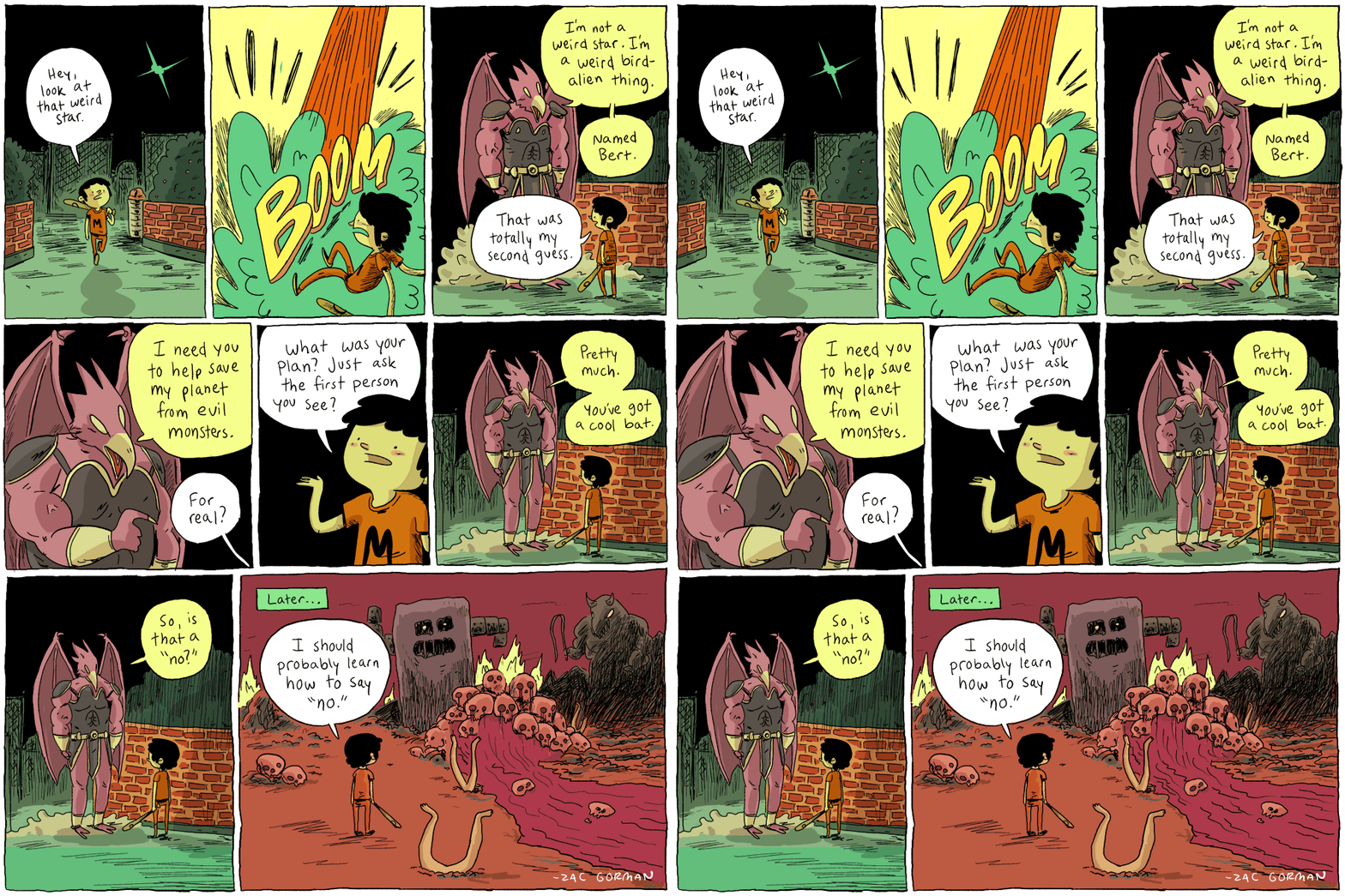
A comic about Monster Party by Zac Gorman. I've mentioned how effed-up Monster Party was here before, and this comic sums it up nicely.


"Minimal Avengers" by Paul Sizer

"Avengers Poster REDUX" by W0op-W0op

Take note: You can pick up Costume Quest for $7.49 on Steam right now, or as part of the Double Fine Bundle, for %14.99, and get Psychonauts and Stacking (two other fantastic Tim Schafer games) thrown in. Buy them here.
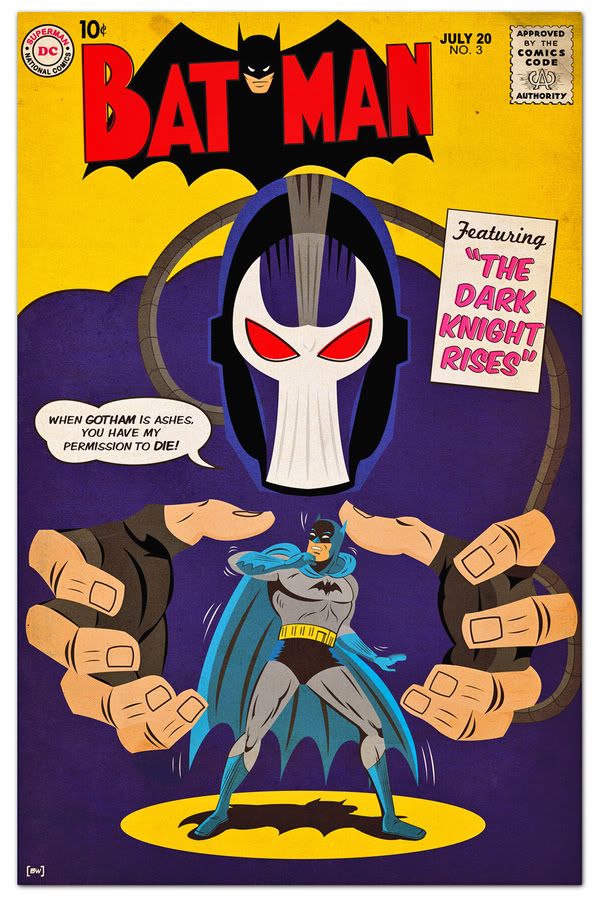
Any discussion of The Dark Knight Rises has to look at how it fits in with the first two films in the trilogy. Batman Begins was a revelation when it came out in 2005: there had never been a superhero movie that dealt with its subject matter in such a direct, gritty and realistic manner. Nevertheless, it was still a comic book adaptation, and while Christopher Nolan brings heavy overtones of the crime, drama and thriller genres into the mix, it can't escape that. At the end of the day, the release and rounding up of criminals from Arkham, the sinister and yet somehow comical treatment of the Scarecrow and his fear toxin, and the fight between Batman and Ra's al-Ghul on the train as it hurtles towards Wayne Towers are all traditional superhero movie trademarks. Batman Begins may be more graphic novel than comic book pulp, but it is still very recognizably a Batman movie, for better or for worse.
If Batman Begins shows what could be done by approaching comic book source material from a mature and even-handed perspective, The Dark Knight proves that something truly great could emerge from the same. The Dark Knight is a crime thriller masterpiece that ranks alongside Heat, The Untouchables, and Once Upon A Time In America in terms of scope, character portraiture and directorial brilliance. Heath Ledger's Joker is one of the finest cinematic villains in history, and Aaron Eckhart manages a genuinely grotesque and sympathetic Harvey Dent\Two-Face. Bale's Batman is no longer simply the tried-and-true millionaire orphan turned vigilante; he's presented as a virtually unstoppable wunderkind, a one-man army, reliant on military tech and invasive cell-phone monitoring software to wage his war against crime. The film deals with so many themes that it's impossible to identify them all here: chaos vs. order, law vs. anarchy, vigilantism and perception and identity, to name a few. On a more surface level, The Dark Knight is just plain cool, filled with jaw-dropping effects and consistent levels of action, and is highly quotable to boot.
If anything, The Dark Knight Rises bookends the trilogy by really showcasing The Dark Knight. It has more in common with Batman Begins, in that it has a very comic-book feel to it, as opposed to The Dark Knight's hyper-realistic crime drama trappings. Selina Kyle and Bane somehow seem less epic than the Joker and Two-Face; this was always going to be Nolan's difficulty in a followup to The Dark Knight, and he acquits himself with a certain amount of grace, but the two characters simply don't carry the same weight in the film-world that Nolan has established in the series.
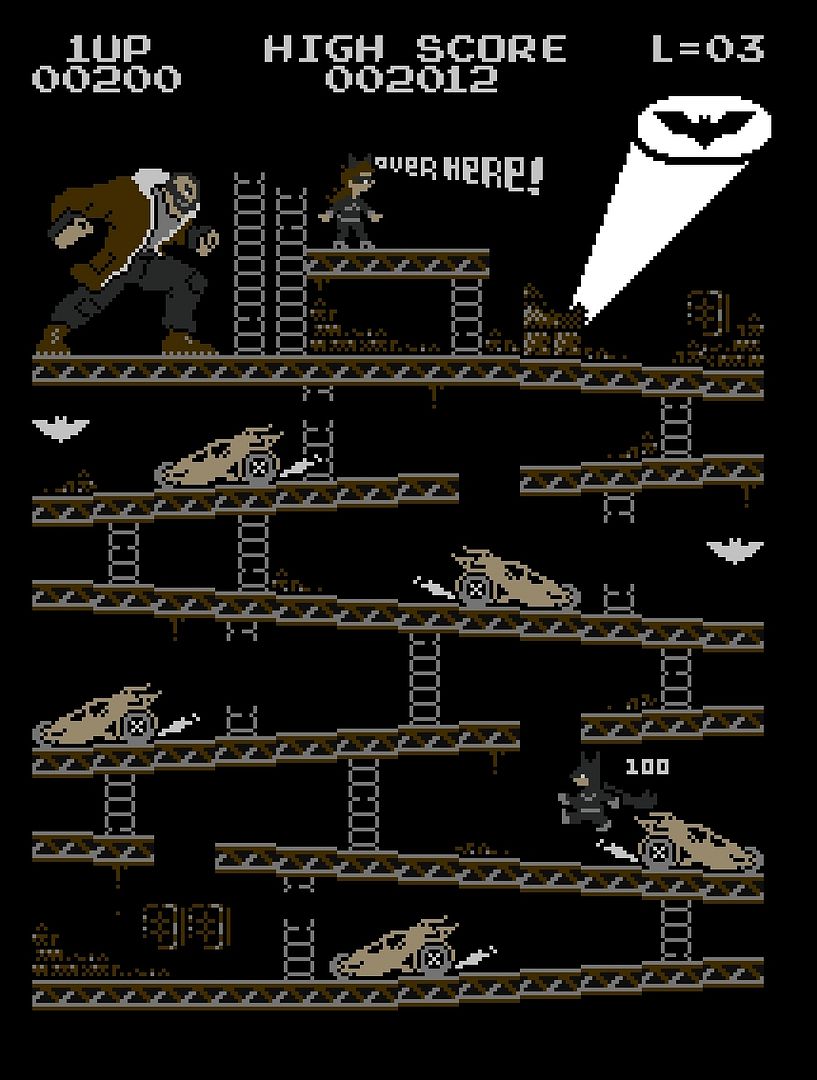
I think the most surprising thing of all is just how little of Batman there is in the movie. Bruce Wayne doesn't suit up until at least 40 minutes into The Dark Knight Rises' 164 minutes running time. His re-introduction, after four years of real-world time and eight years of Gotham-time, is well-executed, showcasing the Batmobile, Batpod and new vehicle The Bat in one extended, exciting chase sequence. Then he disappears for a while, shows up and punches a few more guys, tracks down Bane, fights him, and then... disappears until the end of the movie, practically. Without going into enough detail to spoil anything, it's not like his disappearances aren't justified, within context, but the end result is still a Batman movie with a very limited amount of Batman to show for itself.
If there is a central theme to The Dark Knight Rises, it's that of pain. Suffering is Bruce Wayne's primary role in this story. He is wracked with guilt and regret over the death of Rachel Dawes and Harvey Dent, and has sequestered himself from the world for the past eight years. He is a man consumed by pain. Bane, for his part, sees pain as a necessary part of growth, and he does not hesitate to inflict it on everyone around him, including Batman. It doesn't quite resound with the kind of impact Nolan seems to be going for, unfortunately; Bruce Wayne's tribulations in the latter half of the movie not only take him out of the heat of the action for a very long stretch, but also don't quite work on an emotional level. I watched him suffer, heal and rise victorious with a dispassionate eye; I never really felt invested in the process.
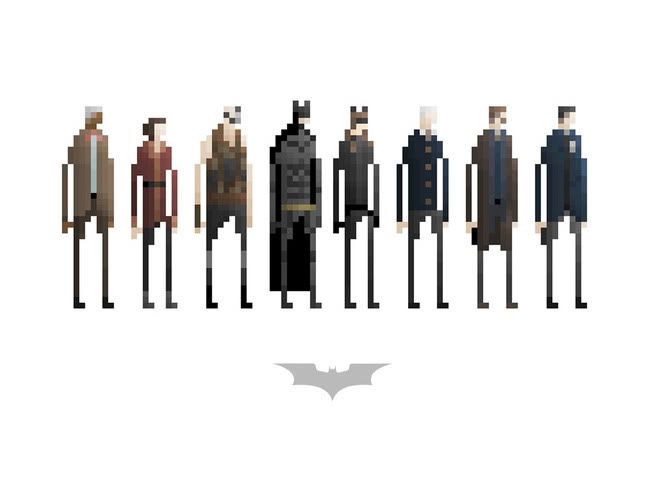
Looking at this escalation of antagonist types, Nolan's choices fall into place a bit more than if they're simply taken on their own. It's hard to imagine any other classic Batman bad guy taking Bane's place in The Dark Knight Rises, and while we're always going to wonder what Christopher Nolan might have done with the Riddler or Oswald Copperpot or Mr. Freeze, chances are that one of those villains would have felt like a step backwards (I personally would have loved to see some of the second-stringers of the Rogues Gallery showing up, namely Deadshot, Hush or Black Mask. Oh well, it's not like Warners is going to let this cash cow go, even if Nolan is no longer on board. So there's always hope.)
All in all, The Dark Knight Rises completed the trilogy in a satisfactory fashion, even if it didn't rise to the dizzying heights of its predecessor. I'm looking forward to watching it again - at home, with subtitles on, so I can catch some of the more muffled of Bane's lines.


"The Ice King" by Eric Ridgeway2

"It's Adventure Time!" by Mike Krahulik3


"Go, Wander, Go!" by Luiz Felipe2

(Click for full-size)
"My Little Colossus" by Blondeyetti3

"Shadow of the Patapon" by Vitor Caneco4

"SOTC" by Maitaboris

"Shadow of the Munny" by Matthew Ellison5